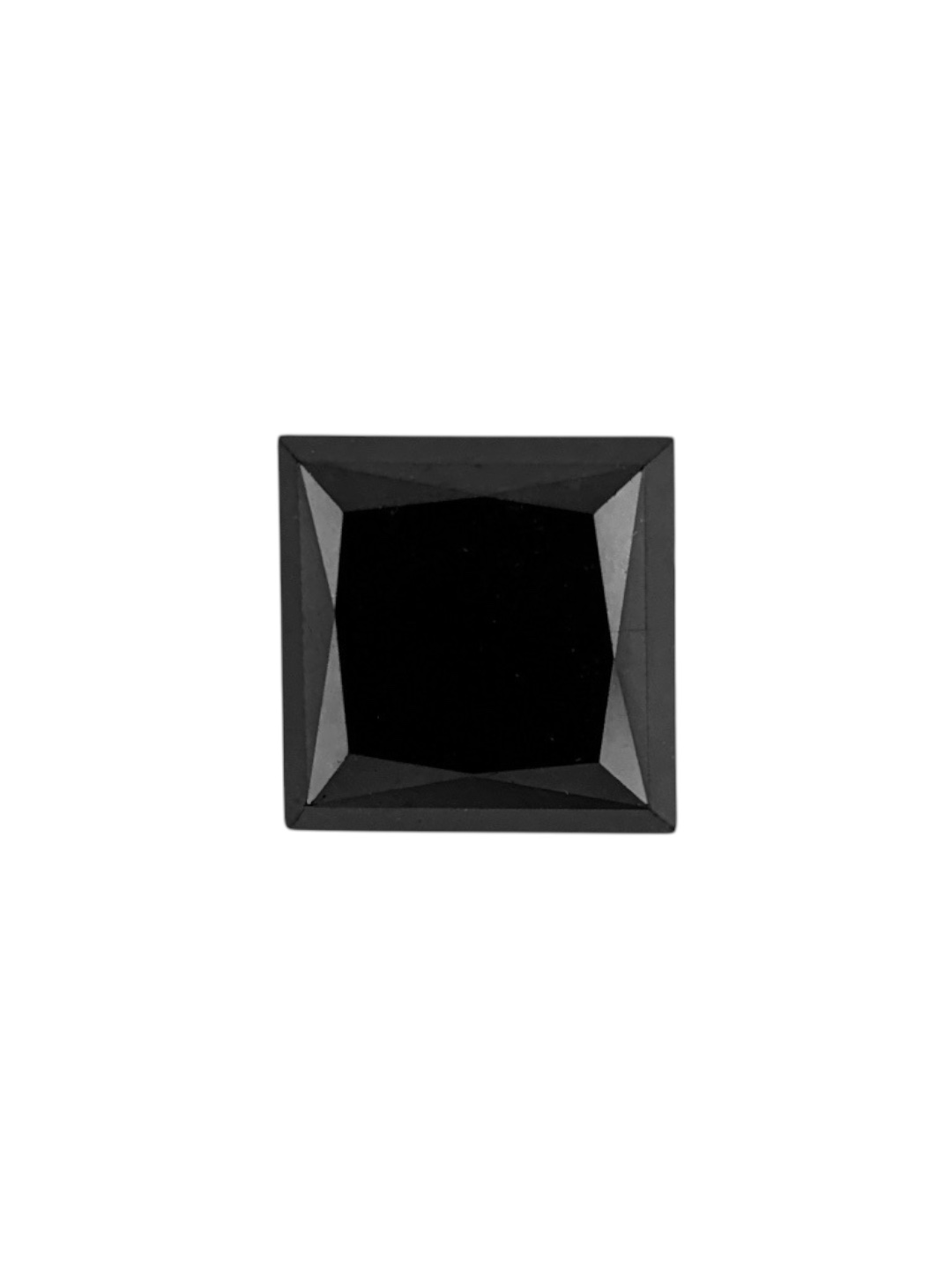
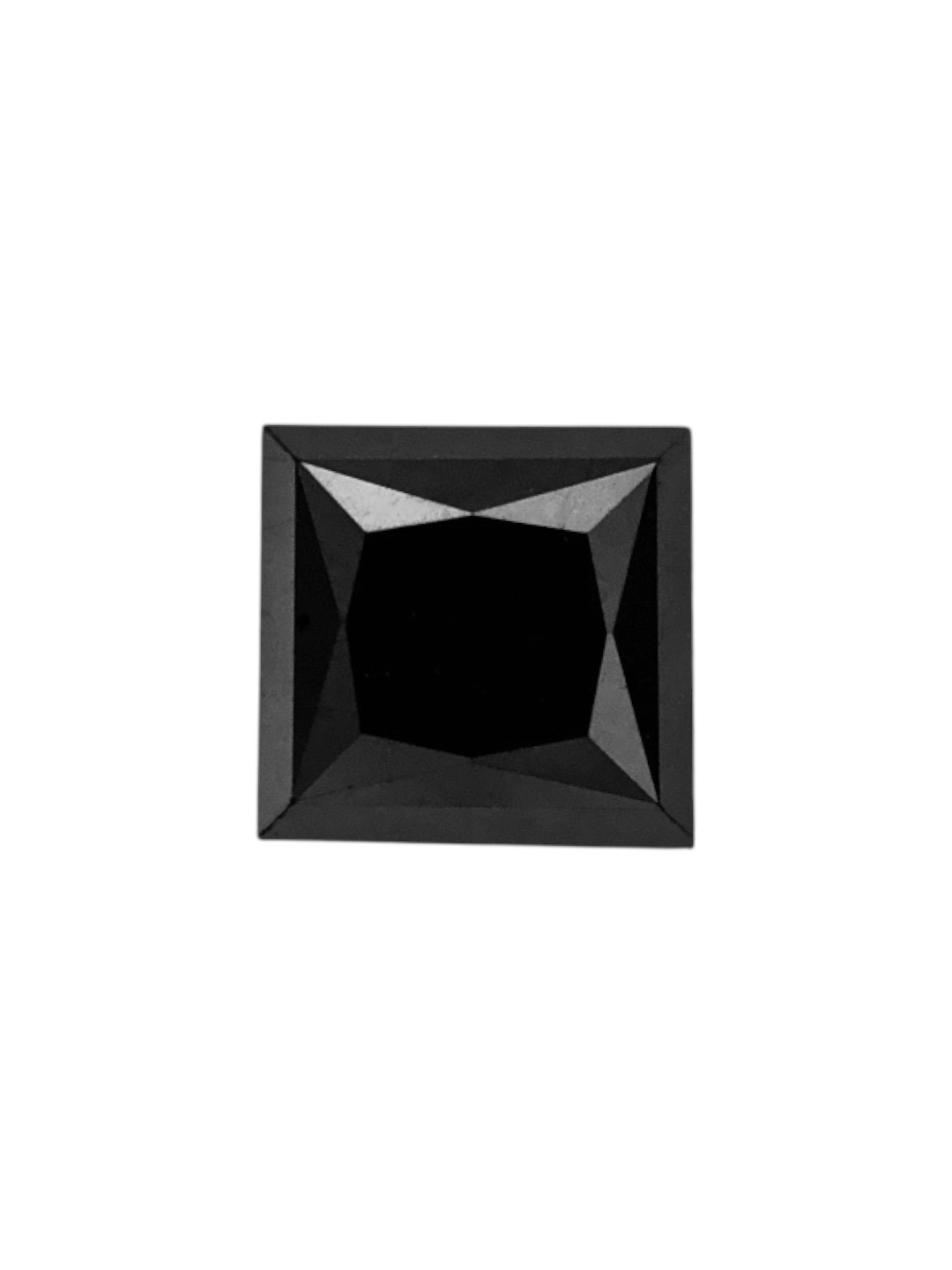
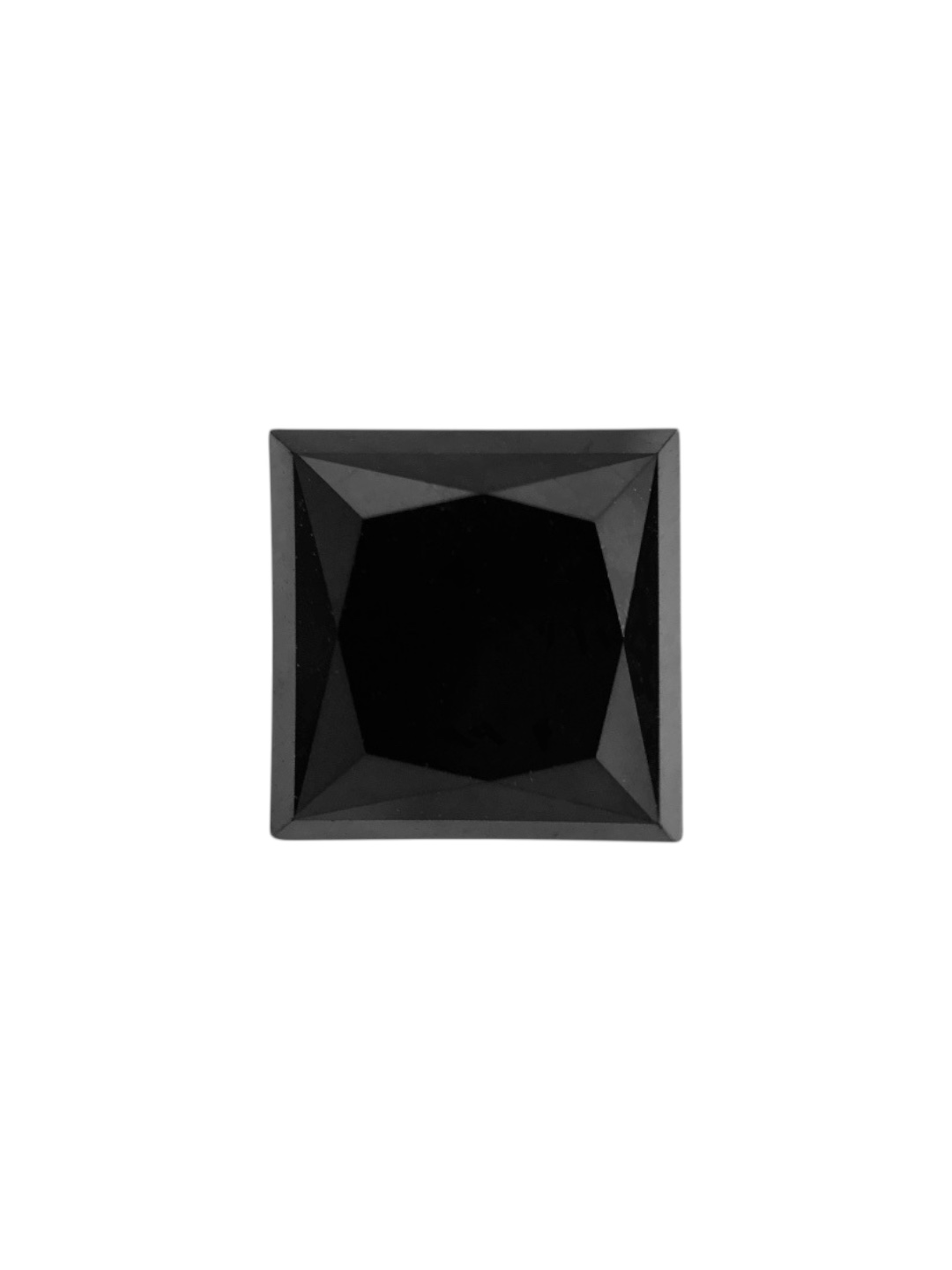
Like other diamonds, natural black diamonds form deep within the Earth’s mantle, between 150 to 800 kilometers (about 90 to 500 miles) beneath the surface. This process began between 90 million to 3 billion years ago, when intense heat and immense pressure caused carbon atoms to crystallize.
During this formation, natural black diamonds develop a high concentration of microscopic inclusions, primarily graphite and other mineral impurities, that become trapped within their crystal structure. These inclusions absorb light, creating the gem’s signature opaque to translucent black or very dark gray, brown or green appearance.
Once formed, diamonds are transported to the Earth’s surface through deep volcanic eruptions. This rapid ascent preserves their unique crystal structure and inclusions, allowing them to be mined today.
Though natural black diamonds are typically opaque due to their dense inclusions, they share the remarkable hardness and durability common to all diamonds, ranking 10 on the Mohs scale. This combination of strength and dramatic color makes them increasingly popular for distinctive jewelry pieces.
Natural Black Diamonds
Research into what gives black diamonds their unique color is relatively recent. Most natural black diamonds get their dark appearance from countless tiny mineral inclusions—like graphite, pyrite or hematite—that are spread throughout the stone, or from radiation staining.
Additionally, small cracks or fractures inside the diamond often become stained black over time, usually due to graphite or other dark minerals filling them. It’s these internal features that create the signature black color. In fact, the diamond’s true body color underneath can be near-colorless, brownish or even greenish (“olive”), but it’s the inclusions and fractures that give it its dark look.
Natural black diamonds are typically translucent to opaque and have a high shine that often gives them a metallic appearance. Because they contain so many inclusions and tiny cracks, cutting and polishing these stones requires special skill and care. They also need to be set carefully in jewelry to avoid damage.
Despite these challenges, natural black diamonds are beautiful and have a distinctive, bold look that set them apart from other diamonds on the market. They are often more affordable than traditional colorless diamonds, making them a popular choice for those seeking something truly unique.
Treated Black Diamonds
Many black diamonds used in jewelry and engagement rings today have been treated to achieve their dark color. These stones often begin as gray or brown diamonds that are heavily included or fractured—material that would typically fall outside gem-quality standards. To enhance their appearance, they undergo a process called high-temperature annealing, where the diamond is heated (without high pressure) to a level that graphitizes the internal fractures and inclusions. This process darkens the stone and gives it the opaque black appearance that has become so popular.
Another method sometimes used is irradiation, which alters the diamond’s crystal structure to produce a very deep green color—so dark it can appear black to the eye. (Not to worry, irradiated diamonds are not radioactive!) While the result is visually similar, this is a different process from graphite-based blackening.
Treated black diamonds are more affordable than their natural-color counterparts and are prized for their bold, dramatic look. However, since these treatments significantly affect the stone’s value, it’s important to know if your stone was treated before you make your purchase.
A GIA Colored Diamond Identification and Origin Report can confirm whether the diamond’s color is natural or the result of treatment. It also includes essential information like shape and cutting style, carat weight, color grade and color origin, helping consumers and retailers make informed, confident purchases.
How Black Diamonds Are Graded
Colorless to near-colorless diamonds (D-to-Z range) are graded according to the 4Cs—color, clarity, cut and carat weight—which are part of GIA’s International Diamond Grading System™. Black diamonds, however, fall outside this scale and are evaluated using GIA’s colored diamond grading system.
Because black diamonds are typically opaque and heavily included, they aren’t given traditional clarity grades, which applies to transparent stones. And since black diamonds don’t show tonal or saturation differences like pink, blue or yellow diamonds, they’re simply assigned a single color grade: “Fancy Black.”
For these gemstones, GIA issues a Colored Diamond Identification and Origin Report (for opaque diamonds that don’t receive clarity grades) or a Colored Diamond Grading Report, which confirm the diamond’s identity, specify the color grade (Fancy Black), and clarify whether the color is natural or treated—giving buyers full confidence in their gem.
Color
Color plays a very different yet equally important role in black diamonds versus colorless diamonds. For black diamonds, a pure, intense and uniform black color is the most prized and rare, making it the key factor in desirability. Those showing secondary hues like brown or green may be less popular.
In contrast, colorless diamonds are valued for their lack of color, with greater colorlessness (such as grades D to F) commanding higher prices due to increased rarity.
Clarity
Clarity holds opposite significance for black and colorless diamonds. Black diamonds naturally contain numerous inclusions, which contribute to their unique color and texture. Darker hues created by more inclusions are more highly valued. In contrast, colorless diamonds benefit from high clarity, as fewer inclusions enhance their brilliance and overall appearance, resulting in greater value for cleaner stones.
Cut
Both black and colorless diamonds benefit from thoughtful cutting—but for different reasons. While colorless diamonds are cut to maximize brilliance and fire, black diamonds are cut to create a sleek, mirror-like surface that enhances the stone’s deep, saturated color.
A high-quality polish is essential to create a smooth, glossy surface that enhances the diamond’s metallic luster. Likewise, good symmetry ensures facets are properly aligned, producing balanced reflections and a harmonious appearance.
Overall, the cut, including polish and symmetry, work together to showcase the dramatic, bold look unique to black diamonds—focusing on surface shine rather than traditional brilliance.
Carat Weight
While carat weight influences the value of both black and colorless diamonds, its importance differs. In black diamonds, the evenness of the black color and the quality of the cut typically have a greater impact on value than size, making carat weight a secondary consideration. Conversely, for colorless diamonds, carat weight plays a more significant role—larger stones usually command higher prices—though this is balanced with cut, color and clarity to determine overall beauty and value.
Larger diamonds are rarer and have more visual presence, which often increases their value. However, carat weight alone does not determine a diamond’s worth; it must be assessed alongside other quality factors.
Black Diamond History, Meaning and Symbolism
History of Black Diamonds
Now prized as “fancy blacks,” natural-color black diamonds were historically held in low regard. Author J.R. Sutton wrote in his 1928 book, Diamond: A Descriptive Treatise: “Ordinary black diamond is not greatly unlike black sealing wax. Opinions differ as to its virtues as a gemstone.” Only a few famous black diamonds are known, such as the 67.50-carat Black Orlov—also called the Eye of Brahma—which was reputed to have been stolen from an idol in India in the early 1800s. Reportedly so cursed that several of its owners suffered financial ruin or worse, it was ultimately recut to break the hex.
Consumers had little interest in black diamonds until the late 20th century, when designers started using them in jewelry, especially contrasting them with tiny colorless diamonds in pavé settings.
Black diamond engagement rings may have come of age when Carmen Electra and tattoo artist Kat Von D both got engaged with one in 2008 and 2012, respectively. At the end of the 2010 movie “Sex in the City 2,” Mr. Big gave Carrie Bradshaw a 5-carat black diamond ring. Interest in black diamonds has continued to grow ever since.
Meaning and Symbolism
Black diamonds are also powerful symbols of strength and resilience, reflecting their unique natural formation under extreme conditions and their ability to endure despite internal inclusions and imperfections.
In many cultures and belief systems, black diamonds are seen as stones of transformation and protection. They are thought to absorb negative energy and help the wearer overcome obstacles, symbolizing personal growth and the triumph over adversity. This makes them especially meaningful as gifts for new beginnings or significant life changes.
Beyond their symbolic strength, black diamonds convey elegance and sophistication in a bold, unconventional way. Their rarity and distinctiveness make them a symbol of individuality and uniqueness, appealing to those who want to express their personal style with confidence and stand out from traditional jewelry choices.
Famous Black Diamonds
The Black Orlov
The Black Orlov, also known as the Eye of Brahma, is a remarkable 67.50-carat black diamond with a mysterious and dramatic history. According to legend, this gem was originally part of a larger stone embedded in a statue of a Hindu deity in India, possibly the goddess Brahma, and was reportedly stolen in the early 19th century. Its owners believed the diamond carried a powerful curse, said to bring misfortune, tragedy and even death to those who possessed it.
Over the years, several owners reportedly suffered financial ruin or worse, contributing to the diamond’s ominous reputation. To try to break the curse, the diamond was recut from its original larger size down to the current 67.50 carats, a process believed to “reset” its fate. Today, the Black Orlov is set in a striking brooch surrounded by sparkling colorless diamonds, showcasing its deep black color and glittering allure.
Despite—or perhaps because of—its legendary curse, the Black Orlov remains one of the most famous and intriguing black diamonds in the world, symbolizing both beauty and mystery. Its story continues to captivate jewelers, collectors and gem enthusiasts alike, highlighting the cultural and historical mystique that often accompanies rare gemstones.
The Spirit of de GRISOGONO
Weighing an impressive 312.24 carats, the Spirit of de GRISOGONO is one of the largest gem-quality black diamonds in the world. It was expertly cut from a massive 587-carat rough stone sourced from Central Africa. Faceted into a high-domed round shape, this remarkable gem is set in a stunning white gold ring and surrounded by 702 sparkling white diamonds, enhancing its dramatic beauty.
The Gruosi Diamond
The Gruosi Diamond is a spectacular 115.34-carat heart-shaped black diamond, renowned for its size and unique appearance. It was expertly cut and polished by jeweler Fawaz Gruosi from a massive 300.12-carat rough stone and set in a pendant surrounded by colorless diamond melee. Celebrated for its romantic shape and flawless finish, the Gruosi Diamond also ranks as one of the largest black diamonds in the world.
The Amsterdam Diamond
The Amsterdam Diamond is a 33.74-carat pear-shaped black diamond, discovered in Africa and named after the city where it was expertly cut and polished. Renowned for its deep, uniform black color and striking visual impact, it was auctioned by Christie’s in 2001 for over $350,000, reflecting its rarity and exceptional presence.
The Korloff Noir
The Korloff Noir is a stunning 88-carat black diamond, believed to have originated in the remote mines of Siberia. Owned by the prestigious French jeweler Korloff, this impressive gemstone is celebrated not only for its substantial size but also for its rich, deep black color and remarkable luster.